

This is an overview of the current initiatives aimed at preserving and improving the health of Conesus Lake. These projects—from invasive species monitoring to data-dashboard development, from stream-gage installations to salt and sediment awareness—offer meaningful ways for community members to get involved. Whether you’re a seasoned volunteer or simply curious about helping safeguard our watershed, this is your gateway to understanding the work underway and identifying how you can contribute.


AUV-ROV
AUV-ROV (Automated Underwater Vehicle-Remotely Operated Vehicle) was purchased through a grant for the purpose of helping to locate and identify invasive species (macrophytes) in the lake.

Data Storage, Data Access, & Data Dashboard
The CLA and its partners continue to work on projects that generate data – lots of data. We recognize that in order to make this data truly useful, it needs to become available not just to us, but to a wider scientific and, indeed, public community.

Decontamination Station Maintenance & Repair team
A few years back, the CLA took the lead on constructing and installing decontamination stations that are placed at areas where there is boat access of any kind – trailer, cartop, hand carry, etc. This includes the State ramp (2), Long Point, the Outlet creek, and the Inlet.

CSLAP
This group takes samples of the lake water during the summer. In 2025, this was about every two weeks beginning in June and ending in mid-September.

HAB Mitigation at CSM
This is a special project to try to determine if it is possible to disrupt or otherwise impact the potential for HAB events in a targeted area of the lake, in this case the CSM swim area.

HABs Plan Workgroup
This is the group that has worked with the Watershed Council, the Livingston County Health department, and the DEC on helping to improve the communication process when there is a HAB event on the lake.

Invasive Species – Aquatic
There are efforts led by NYSFOLA, Finger Lakes Institute, and PRISM in cooperation with NYSDEC to help identify and track invasive species that are literally in our lakes. This can include all kinds of species from Macrophytes (Aquatic Plants) to creatures like Zebra Mussels (Bivalves) to Fish (Rudd, Alewife).
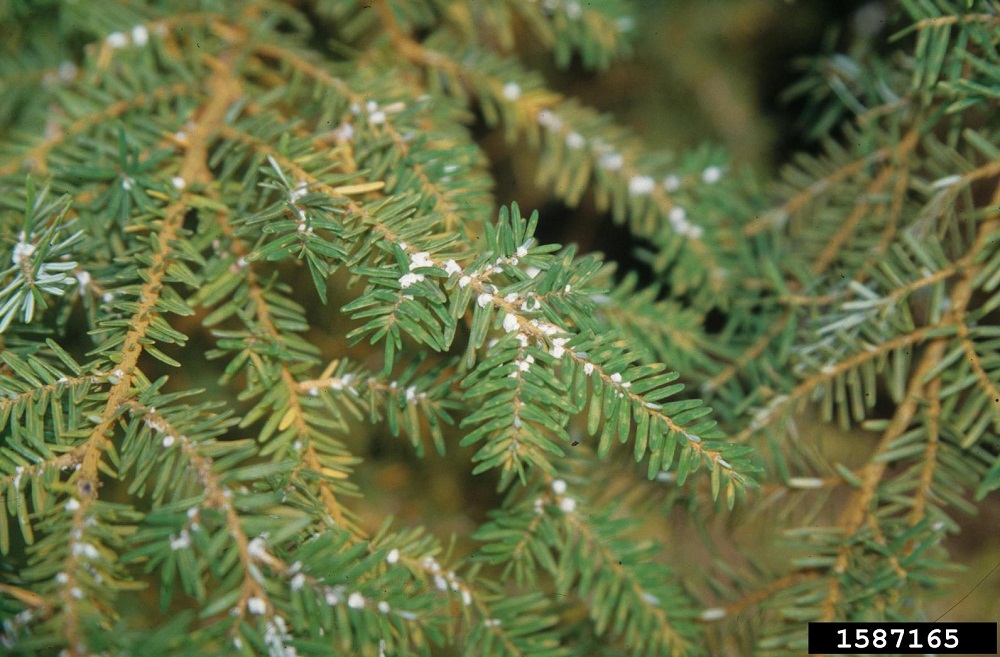
Invasive Species – Terrestrial
There are efforts led primarily by Finger Lakes Institute and PRISM in cooperation with NYSDEC to help identify and remove invasive plants that have been introduced to our environments that are harmful to the health of our watersheds and replace them with plants that are native and more supportive of the natural environment.

Lake Temperature – measuring and reporting
This is an effort to determine if there is a relatively simple way to provide lake temperatures at multiple points in the lake. It’s not as simple as it sounds. The temperature part is probably the easiest part to tackle.

Safe Yield (lake level, dam control)
A Safe Yield report was produced by a consultant back in 2021and submitted to Livingston County. It attempted to provide a better understanding of the water inflows and outflows to help us better manage the lake for everything from drinking water to recreational use.

Salt and Sediment in the Watershed
Road Salt along with things like fertilizer has long been identified as a contributor to impacting the natural chemical balance of our lake (also nearly every lake). From time to time, the CLA has made efforts to increase awareness around this issue.

Storm Drain Labeling
A few years back, a project was undertaken to identify and label all the storm drains that ultimately fed into the lake. In many cases, these labels have been worn away or otherwise may not be readable.

Stream Gage Monitoring
As a result of the Safe Yield Study, it was determined that having data specific to our lake regarding water source inflows would be more useful for future analysis. As such, a project was undertaken in late 2023 to identify a relatively low-cost, yet accurate and reliable stream gage and install it in the Conesus Inlet.

Surface Water Chemistry
There was a project done in some of the streams that flow into the lake between 2014-2020 that evaluated some of the chemical elements flowing into the lake. Just as the name suggests, the idea was to understand what is present on the surface of the lake.

Weather Station
Most people on the CLA Board know that we purchased and installed a weather station at both the north and south ends of the lake. They have been operating for a few years now and the information collected by these stations can be viewed on the CLA website.

Watercraft Stewardship Program (WSP)
Several years ago, the CLA was a pioneer in establishing one of the first watercraft stewardship programs in the state. It has proven successful and has grown.